In a two-and-a-half-hour special meeting Wednesday, Cincinnati City Council met to discuss ways to combat crime in the city. Council members passed a motion aimed at addressing public safety, particularly in the areas encompassing downtown, Over-the-Rhine (OTR) and The Banks.
Mayor Aftab Pureval cited an uptick in crime “of all types in hotspots in our city.” Property crimes, like car thefts and commercial breaking and entering, are up this year in south OTR and Central Business District.
In an effort to reduce crime, Cincinnati Police Department (CPD) would enforce a citywide curfew for unsupervised minors and increase police visibility. These actions would include centers for youth found out past the city’s mandated curfew, which is 10 p.m. for those under 16 and midnight for 16- and 17-year-olds.
Council members expressed support on the motion, but stressed this initiative would not become a way to arrest youth simply for being out late.
“A lot of us have said we just want to make sure we’re not criminalizing our young people, and to my understanding, that is not the intent,” Vice Mayor Jan-Michele Lemon Kearney said. “The second thing is to make sure we use that opportunity to help these young people and their families have the resources they need.”
Council members will reconvene for session in August to determine how the city can implement these measures.
Cincinnati youth curfew: Officials outline ideas for enforcement
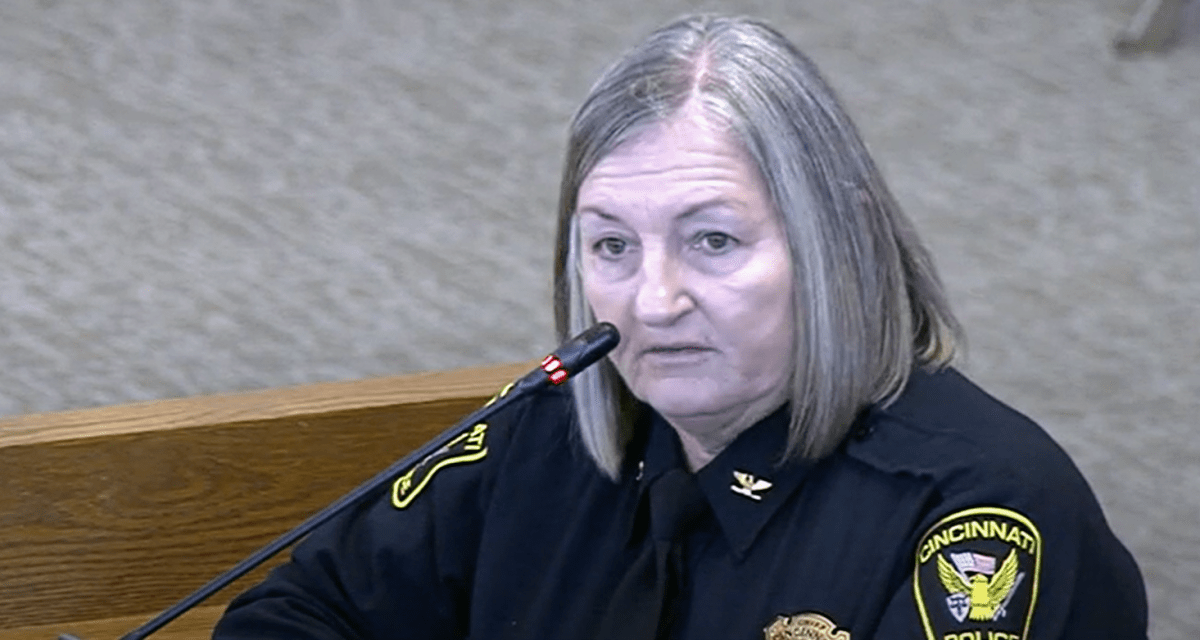
In a presentation to council, Police Chief Teresa Theetge and City Manager Sheryl Long laid out what the city is already doing to reduce gun violence and other crimes, and hypothesized a plan moving forward to address youth crime downtown.
The city has improved intervention support for youth with programming through the Cincinnati Recreation Commission (CRC), Cincinnati Parks, as well as other neighborhood-based and mentorship programs. Cincinnati police officers have also undergone trauma-informed care to prioritize problem-solving in community policing.
Long suggested reviewing current CPD procedures and the current city ordinance regarding curfews, and updating them if necessary. A centralized curfew center would be part of the plan, but it’s not clear where or what that would look like yet. CPD is also prioritizing hiring lateral officers – officers already trained by other police departments – to gain more recruits.
Long said she is seeking a partner to house the curfew center, but she does not envision it being the CRC because she wants children and teens to associate that with fun activities – not punishment. Officials also don’t want the facility to be the youth detention center at 2020 Auburn Ave.
The city manager’s office and CPD are working with the city solicitor to determine a more precise plan for curfew enforcement, including family and parental involvement.
“We are not ready to make a recommendation yet, but continue to make progress,” Long said. “We have more work to do, and we’re honest about that.”
Follow-up questions about this meeting:
- This initiative would increase police visibility and officer interaction with children and teens. Other than recent problem-solving training for officers, how will CPD officials ensure curfew enforcement does not lead to criminalization of young people?
- The motion is aimed largely at enforcing curfews in the downtown areas. What other areas of the city will be prioritized? Should all neighborhoods expect more officer visibility and interaction with youth?
- What do community leaders have to say about this motion and whether this will be effective?