
Meeting summary:
- The demand for record expungement service has increased in Cincinnati.
- Youth engagement is important and an increase in engagement opportunities is welcomed, according to council members.
- Funding and evaluation of the judicial aspect of the expungement process could support The Holloman Center successfully providing services.
Documenter’s follow-up question:
- How will the city of Cincinnati further engage high school aged youth?
- Will the city increase funding for the Holloman Center?
Notes
Committee Members:
Chair Anna Albi
Vice Chair Evan Nolan
Vice Mayor Jan Michele Lemon-Kearney
Ryan James
Meeting Agenda:
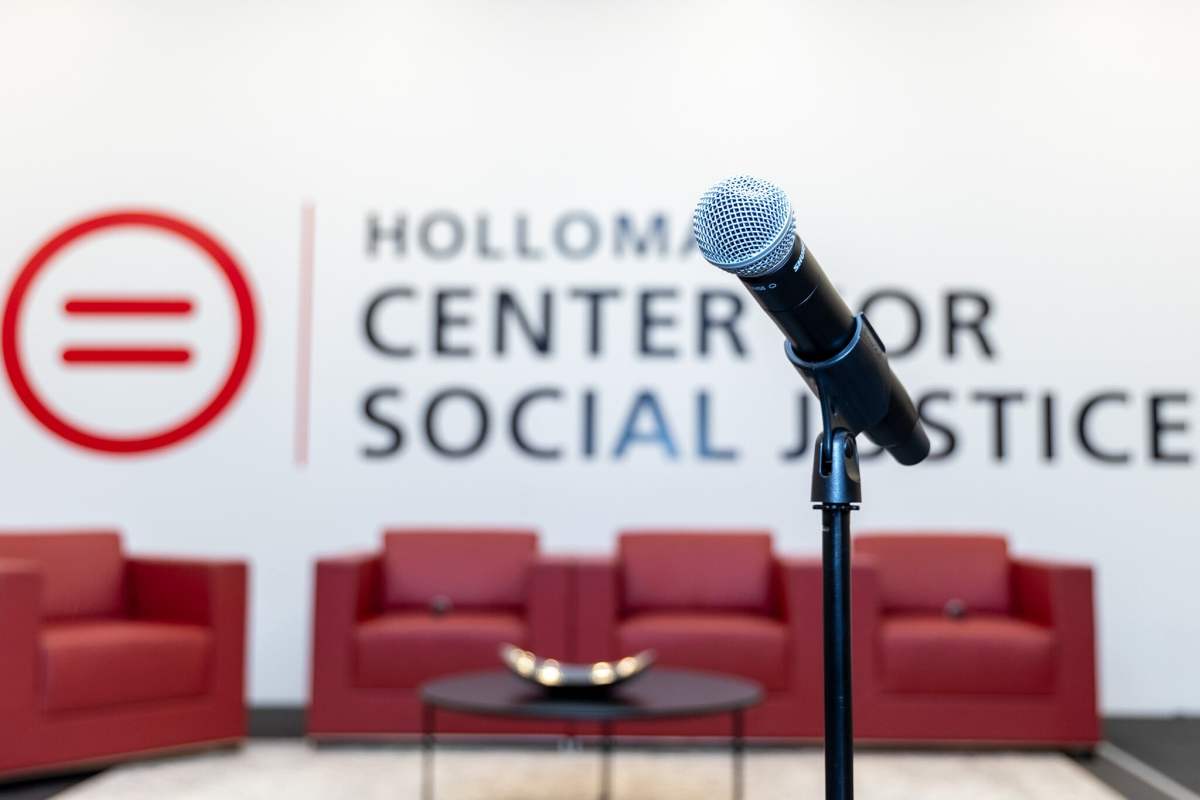
Today’s meeting was dedicated to a presentation by Treva Reid, Executive Director of The Holloman Center of Social Justice and colleagues on the center’s programming and community impact.
While several of the Holloman Center’s services were mentioned, the center’s record relief and restoration of rights work via the Urban Expungement Program was the focus of the meeting.
The Urban Expungement Program
Reid reported on The Holloman Center’s success in doubling engagement and outreach for its expungement program, connecting with over 1,200 community members in 2025 with the help of city funding.
Reid said more than $125,000 has gone towards fines and fees for record clearances for eligible Ohioans in need of legal support and the Holloman Center has paid for “blue sheet verifications” (background checks) and transportation to “fresh start clinic appointments” and court dates.
Vice Chair Evan Nolan said record expungement has been a “topic of conversation” and inquired about ways the committee could further support the Holloman Center’s efforts.
According to Reid, the center has indeed seen a growing demand for expungement related support.
Reid shared feedback from the Hamilton County Public Defenders Office of long lines and minimal appointment availability for those seeking these services.
Community members who attend The Holloman Center expungement information sessions are paired with a representative of the public defenders office and receive expedited services.
Reid said judges have discretion on records being expunged with or without payment. According to Reid, some people frequently go through the entire expungement process, the center pays the associated fines and fees, and then that person is denied without explanation in court.
Reid added that quarterly expungement clinics have been paused due to a significant loss in funding from the National Urban League.
Youth Engagement
Reid spoke about the Equitable Encounters Program launching this fall. The program educates driving-age youths on their rights and provides them with “real world advice for navigating safe encounters with law enforcement.”
Derrick Rogers, director of the Urban League’s Community Partnering Center, highlighted last summer’s Youth Summit where students led conversations regarding gun violence and law enforcement interactions. According to Rogers, it was found that 61% of the youth presented had held a gun, 38% had fired a gun and 48% had witnessed a shooting.
Committee Chair, Anna Albi expressed her astonishment with the young ages of those who have had interactions with guns as she also attended the Urban League’s Youth Summit.
Rogers also spoke about the Urban League’s curriculum and cohorts for youths 14 to 19 via the Urban Champions program currently available at Withrow and Woodward high schools.
Vice Mayor Jan Michele Lemon-Kearney added “I think we’re all realizing that this (youth engagement) is a really key element in the city.”
Albi invited community members interested in youth engagement to join the council for the first joint Cincinnati Public Schools Board of Education meeting of the year on April 13.
If you believe anything in these notes is inaccurate, please email us at documenters@signalcincinnati.org with “Correction Request” in the subject line.
Find more Documenters’ notes here.