
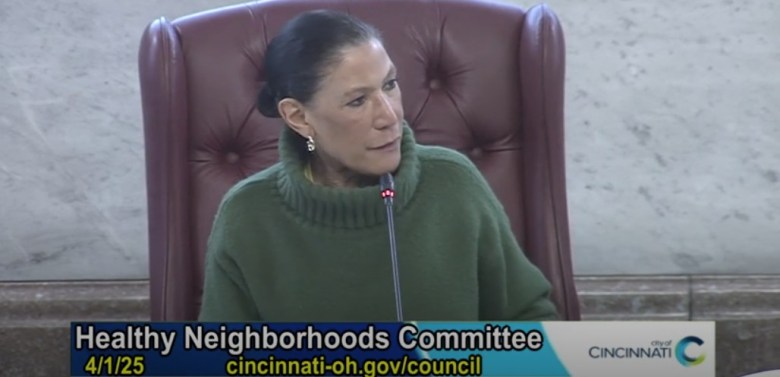
Meeting summary:
- The Safe and Clean Neighborhoods Initiative has led to a 15% decrease in illegal dumping and 300+ tons of waste removal, with additional surveillance and enforcement measures planned.
- The Affordable Housing and Homeownership Support program assisted 120 families in purchasing homes and improved financial literacy for low-income residents.
- Cincinnati City Council approved $500,000 in funding for expanded community safety projects and the development of new green spaces to enhance neighborhood quality of life.
Documenter’s follow-up question:
- How will the success of the new green space initiative be evaluated in terms of community impact and sustainability?
Committee Chair Jan-Michele Lemon Kearney opened the meeting at 12:30 p.m., welcoming attendees and outlining the agenda. She emphasized the importance of neighborhood safety, affordable housing and community development as key focus areas for the committee.
Attendance
- Vice Mayor Jan-Michele Lemon Kearney (co-chair, presiding)
- Scotty Johnson (council member)
- Anna Albi (council member)
- President Pro-Tem Victoria Parks (vice chair)
- Lisa Carrion (clerk of council)
- Monica Winholtz (legal office)
- Gerald Fortson (Department of Community & Economic Development)
- Steve Sobel (Citicable)
Public comment: No public comments were made. Chair Kearney noted that written comments could still be submitted and reviewed by the committee.
Presentation 1: Safe and Clean Neighborhoods Initiative
Speakers: Michael Moore (director, Department of Public Services)
Overview of initiative:
- The initiative aims to tackle issues of blight, illegal dumping, and public safety by fostering collaboration between city agencies and communities.
- The Department of Public Services is working in coordination with the Cincinnati Police Department, the Health Department, and community partners to implement solutions.
Key strategies:
- Increased enforcement: Strengthened monitoring and penalties for illegal dumping, including an expansion of surveillance cameras in known hotspots.
- Neighborhood Blitz Cleanup Program: A city-led initiative where targeted neighborhoods receive intensive clean-up efforts, debris removal and beautification support.
- Enhanced street lighting: Installation of LED streetlights in high-crime areas to deter criminal activity and improve community safety.
Impact metrics:
- A 15% decrease in illegal dumping cases citywide since 2023.
- Over 300 tons of waste removed through coordinated cleanup efforts.
- 40 new streetlights installed in priority zones identified by CPD and community feedback.
Questions:
- Council Member Albi: “Are there plans to expand enforcement beyond known dumping hotspots?”
- Response: Moore explained that the city is increasing its use of mobile surveillance cameras and working with neighborhood watch groups to identify and report new problem areas.
- Council Member Johnson: “How are communities notified about the Blitz Cleanup Program?”
- Response: Moore said outreach is done through neighborhood associations, social media and direct mail to ensure residents are aware of cleanup dates and participation opportunities.
Presentation 2: Affordable Housing and Homeownership Support
Speakers: Jennifer Walton (executive director, Housing Resource Center)
Program focus:
- The program is designed to increase access to affordable housing and promote pathways to homeownership, particularly for first-time homebuyers and low- to moderate-income families.
- Key partnerships include local banks, credit unions and housing counseling agencies.
Programs offered:
- Down payment assistance program:
- Provides up to $15,000 to eligible applicants.
- Priority is given to first-time homebuyers and individuals earning below 80% of the area median income.
- Landlord engagement initiative:
- Encourages property owners to offer affordable rental pricing and participate in housing voucher programs.
- Offers financial incentives and tax breaks for landlords who maintain affordable units.
- Financial literacy and credit repair workshops:
- Monthly sessions focusing on budgeting, credit building and mortgage preparation.
- Aims to prepare renters for homeownership and reduce barriers related to credit scores.
Impact:
- In 2024, the program assisted 120 families in purchasing their first homes.
- 85% of workshop participants improved their credit scores by at least 50 points within six months.
- 25 new landlords joined the affordable housing initiative, increasing the availability of reasonably priced rental units.
Questions:
- Council Member Johnson: “How do we measure the long-term success of these programs?”
- Response: Walton explained that success is tracked through participant follow-ups, post-purchase surveys and ongoing credit monitoring.
- Council Member Parks: “What additional support do landlords need to continue offering affordable units?”
- Response: Walton highlighted the need for increased education on housing voucher benefits and streamlining application processes to encourage broader participation.
Agenda items
- Expanded community safety grants
- The city council approved $500,000 in funding to support neighborhood safety projects.
- Eligible uses include security camera installations, community-led patrols and improved street lighting.
- Vote: Unanimously approved for passage.
- New green space initiative
- Proposal to convert vacant lots into community green spaces and urban gardens.
- The initiative seeks to partner with local gardening organizations and provide resources for community-led beautification projects.
- Expected benefits include improved air quality, enhanced neighborhood aesthetics and increased recreational opportunities.
- Vote: Approved for passage.
Adjournment: Vice Mayor Kearney closed the meeting at 1:45 p.m., thanking attendees and encouraging continued community engagement in upcoming initiatives.
If you believe anything in these notes is inaccurate, please email us at documenters@signalcincinnati.org with “Correction Request” in the subject line.
Find more Documenters’ notes on Cincinnati City Council here.